The first time I had my aura photographed, I expected to feel silly. I sat down, placed my hands on two metal plates, and waited while a camera I didn't quite understand did its thing. Thirty seconds later, I was staring at a photo of myself surrounded by deep purple and bright yellow—and I couldn't stop looking at it.
I'm not sure what I expected. Maybe I thought I'd roll my eyes at the whole thing. Instead, I found myself nodding along as the practitioner explained what those colors might mean. It was like someone had taken a snapshot of exactly where I was in my life at that moment.
Whether you believe in energy fields or think it's all a bit much, there's something undeniably compelling about seeing yourself represented in color. And if you've ever wondered what those aura colors actually mean, you're in the right place.
What Exactly Is Aura Photography?
Let's start with the practical stuff. Aura photography uses a specialized camera that measures the electromagnetic field around your body through sensors in hand plates. The camera translates these readings into colors that appear around you in the photograph.
The technology has been around since the 1970s, developed by a scientist named Guy Coggins who was curious about whether he could photograph energy fields. The modern versions we use today are more sophisticated, but the basic concept remains the same: measure what's happening in your biofield and translate it into something visual.
Now, here's the honest part. The scientific community is still debating exactly what these measurements capture. Some say it's reading the electromagnetic activity of your nervous system. Others are more skeptical. What I can tell you is this: the readings tend to be remarkably consistent with what people report feeling, and they do change based on your state—stress, calm, excitement, or exhaustion all seem to show up differently.
Whether that's "real" energy or just a fascinating feedback tool, I'll leave for you to decide. What matters is what you do with the information.
What Happens During an Aura Photography Session
If you've never had your aura photographed, here's what to expect.
You'll sit in front of the camera and place your hands on two metal sensor plates. They're cool to the touch and completely painless—no electricity, no weird sensations. You'll sit still for about 10-20 seconds while the camera captures the image.
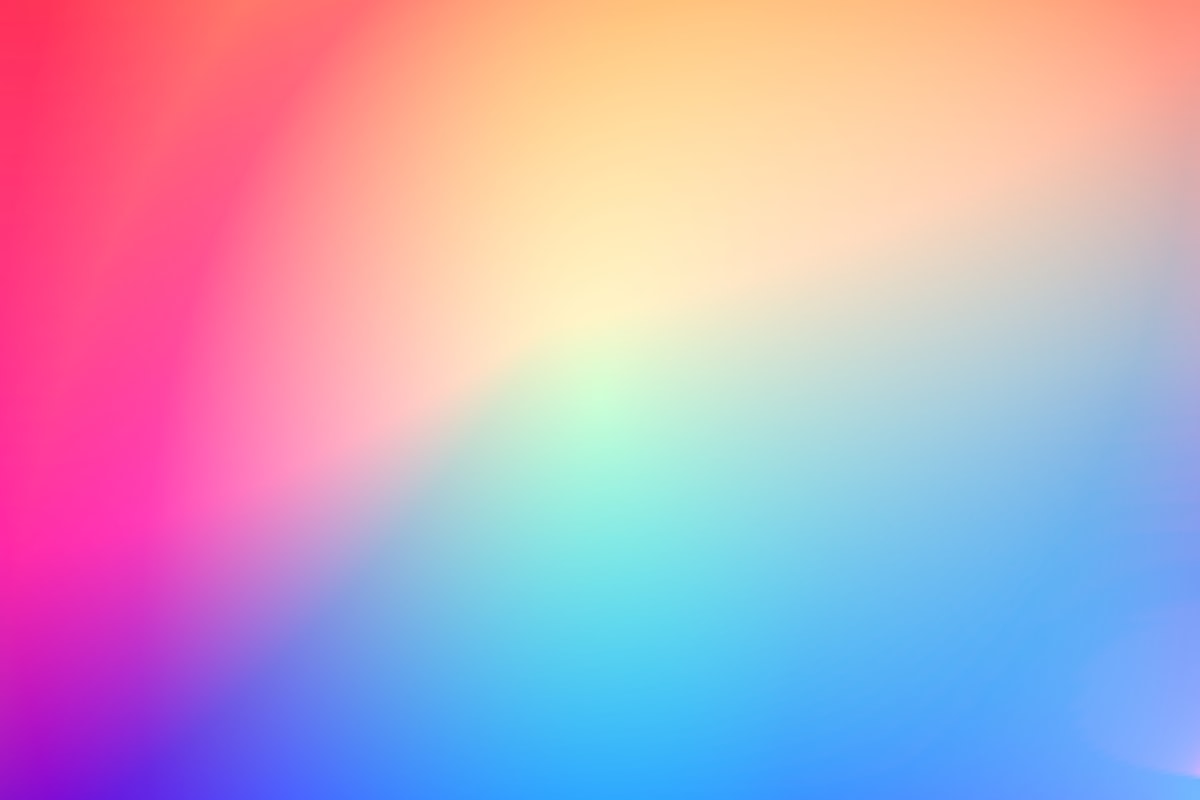
Then comes the interesting part: seeing your photo. The colors appear around your body in the image, and each area of the photo corresponds to different aspects of your energy. The colors above your head tend to represent your current thoughts and aspirations. Colors on the left side relate to what's coming into your life. Colors on the right show what you're expressing outward.
At My Healing Suite, we don't just hand you a photo and send you on your way. We walk through what each color typically means and ask questions about whether it resonates with what's happening in your life. Most people find the conversation as valuable as the photo itself.
Aura Colors and Their Meanings: A Detailed Guide
Every aura interpreter has slightly different associations for each color, but here's what we've found holds true most consistently across thousands of readings.
Red: Grounded Energy and Physical Presence
Red in your aura usually indicates strong connection to the physical world. People with a lot of red are often action-oriented—they get things done. It can show up when you're in a particularly productive phase, working out regularly, or feeling passionate about something.
Red isn't about anger, despite what you might assume. It's more about life force. Think of it as the color of someone who's fully present in their body. If red is showing up strongly, you might be in a phase where physical activity, practical tasks, or building something tangible feels particularly satisfying.
When red appears muddy or dark, it sometimes indicates stress or exhaustion—like you've been pushing too hard without rest. Clear, bright red is usually a sign of healthy energy.
Orange: Creativity and Emotional Expression
Orange is the color of creativity, joy, and connection with others. It tends to show up strongly in artists, social butterflies, and people who are comfortable expressing their emotions.
If you're seeing orange in your aura, you might be in a creative flow state or a period of strong social connection. It's common to see orange in people who just started an exciting new relationship or project that makes them feel alive.
Orange also relates to the emotional body. People with a lot of orange tend to feel things deeply and aren't afraid to show it. They're often the ones who cry at commercials (no shame—I'm one of them) and light up a room when they walk in.
Yellow: Mental Activity and Personal Power
Yellow in your aura often indicates a lot of mental activity. You might be learning something new, making important decisions, or in a phase where you're thinking deeply about your life direction.
It's also associated with personal power and self-confidence. Bright, clear yellow tends to show up in people who feel secure in themselves and their choices. They're the ones who can walk into an unfamiliar situation and adapt with ease.
If yellow is dominant in your aura, you might be someone who processes life through thinking and analysis. You probably love learning new things and can get lost for hours researching a topic that interests you.
Pale or washed-out yellow sometimes indicates mental exhaustion—like you've been overthinking and need a break from problem-solving.
Green: Healing, Growth, and Heart-Centered Living
Green is the color most associated with healers, teachers, and caregivers. It's connected to the heart center and shows up strongly in people who naturally nurture others.
But green isn't just about caring for others—it's also about personal growth. If green is prominent in your aura, you might be in a period of significant change or healing. Something in your life is growing, whether that's a new perspective, a recovered relationship, or your own self-understanding.
People with green auras often work in helping professions, but that's not a rule. You might have a green aura and work in finance—it just means you probably approach your work with a desire to help people, even in unexpected ways.
Dark or murky green can sometimes indicate jealousy or feeling stuck, but this is rare. Most green in auras represents something positive growing.
Blue: Communication, Intuition, and Inner Peace
Blue auras are about expression—both speaking your truth and listening to your inner voice. People with a lot of blue tend to be good communicators, whether through words, art, music, or writing.
Blue also connects to intuition. If you often "just know" things without being able to explain how, you might have a strong blue presence in your aura. You're probably someone who picks up on subtleties that others miss.
Light blue often indicates peace and calm—someone who has found a sense of inner quietness. Deeper blue can indicate strong intuitive abilities or a focus on truth and authenticity.
If blue is showing up strongly in your reading, you might be in a phase where honest communication is particularly important, or you're being called to trust your instincts more.
Purple and Violet: Awareness and Higher Perspective
Purple and violet in the aura relate to expanded awareness, intuition that goes beyond the everyday, and connection to something larger than yourself—however you define that.
This doesn't mean you have to be religious or even identify as "spiritual." People with purple in their auras often describe themselves as having a rich inner life. They think about big questions. They might be drawn to philosophy, meditation, or just quiet time alone to process their experiences.
Purple also shows up in people going through significant transitions—moments when you're questioning old assumptions and opening to new possibilities. It's common during periods of personal reinvention.
Deep violet can indicate highly developed intuition or sensitivity. But again, don't assume this means anything dramatic. It might just mean you're more attuned to subtle energies and emotions than most people.
Pink: Love, Compassion, and Softness
Pink auras indicate an open heart and a gentle nature. People with pink in their aura are often nurturing, romantic, and deeply compassionate. They tend to see the best in others and lead with kindness.
Pink is also common in people who are newly in love or who have recently experienced a significant heart-opening—maybe through a new relationship, a child, or a moment that cracked them open emotionally.
If pink is showing up for you, it might be an invitation to soften. To approach yourself and others with more gentleness.
White: High Energy and Connection
White in the aura is relatively rare and usually indicates a heightened state of consciousness. It might show up during or after meditation, after a significant experience, or in people who have a naturally high baseline of awareness.
Some people have white appear temporarily when they're in an elevated state. Others carry it more consistently. Either way, it tends to indicate purity of intention and strong connection to what some would call "source energy" or higher consciousness.
Black or Gray: Transition, Protection, or Blocked Energy
Don't panic if you see dark areas in your aura. Black and gray aren't necessarily negative—they often indicate protection or transition.
Sometimes dark areas show up when you're processing difficult emotions or going through a challenging period. Your energy field is essentially putting up a shield. This is actually healthy—it means your system is protecting you while you heal or adjust.
Gray can indicate feeling drained or stuck. If it's showing up consistently, it might be worth asking: where am I not being honest with myself? What needs to shift?
Reading the Whole Picture: Location Matters
The colors in your aura don't appear randomly. Where they show up matters as much as what color they are.
Above your head: This area represents your current thoughts, goals, and aspirations. What you're reaching toward. If you see bright colors here, you're probably clear on what you want. Murky colors might indicate confusion about your direction.
Left side: The left side of your aura represents what's coming into your life—energy you're receiving, influences entering your field, or things you're processing internally. Pay attention to colors here when you're going through transitions.
Right side: This shows what you're expressing outward. How you're showing up in the world. How others probably experience you. If there's a big difference between your left and right sides, you might be holding something back or presenting differently than you feel inside.
Center (around your heart): This area reflects your emotional core. What you're feeling at your deepest level. Relationships, self-love, and emotional health tend to show up here.
Why Your Aura Changes (And Why That's Good)
Here's something important: your aura isn't fixed. It changes based on what's happening in your life, your health, your mood, and your practices.
I've seen people's auras shift dramatically between readings taken months apart. Started a meditation practice? You might see more purple or white appear. Gone through a breakup? The heart area often shifts. Started a new creative project? Orange might show up where it wasn't before.
This is why many people get their auras photographed multiple times. It becomes a way to track your own growth and notice patterns you might not see otherwise. Like a visual journal of your inner life.
Some things that commonly shift aura colors:
- Starting or deepening a meditation or mindfulness practice
- Major life transitions (new job, relationship changes, moving)
- Working through past trauma or emotional blocks
- Changes in physical health
- Creative breakthroughs
- Periods of stress versus periods of peace
What to Do with Your Aura Reading
So you've got your aura photo. Now what?
The most valuable approach is to treat it as a conversation starter with yourself. Look at the colors and ask: Does this feel true? What might this be reflecting about where I am right now?
If something surprises you, get curious instead of dismissive. Sometimes our aura reveals things we've been avoiding looking at directly. That unexpected dark patch might be pointing to something you need to address. That bright green you didn't expect might be reminding you of a healer's instinct you've been ignoring.
Some people keep their aura photos as visual markers of different life phases. Others use them to guide intentions—if you're seeing a lot of one color, maybe you explore what that color represents. If a color is missing that you'd like to cultivate, you might focus on practices that support that energy.
Crystals and Aura Support
Different crystals are traditionally associated with supporting different aura energies:
- For more red (grounding): Red jasper, garnet, smoky quartz
- For more orange (creativity): Carnelian, orange calcite, sunstone
- For more yellow (confidence): Citrine, tiger's eye, yellow jasper
- For more green (heart opening): Rose quartz, green aventurine, malachite
- For more blue (communication): Blue lace agate, sodalite, aquamarine
- For more purple (awareness): Amethyst, lepidolite, labradorite
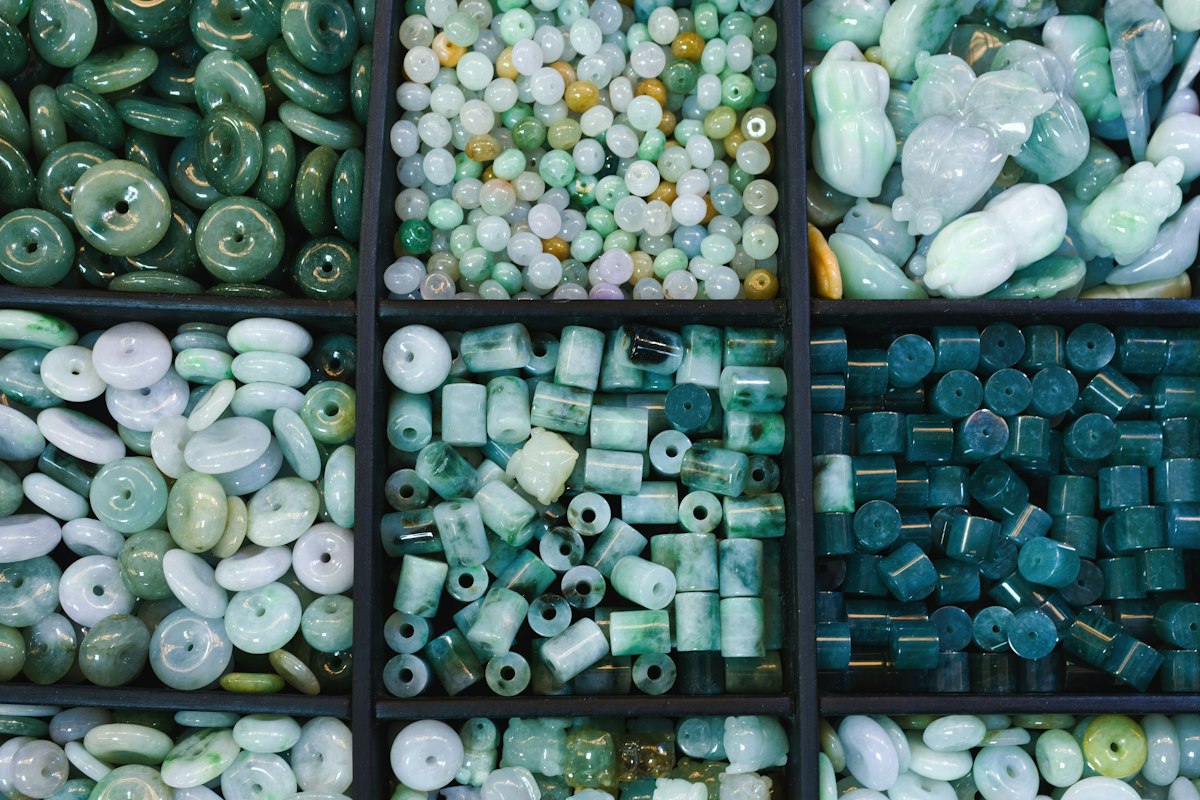
At My Healing Suite, we often pair aura photography with bracelet-making, letting people choose crystals that support the energy they want to cultivate based on their reading. It's a tangible way to take the insight from your session and carry it with you.
Still Skeptical? That's Okay
I'll be honest—I understand skepticism about aura photography. The scientific explanation isn't fully settled, and there are plenty of people who dismiss it entirely.
Here's my take: even if aura photography is "just" measuring skin temperature and electrical conductivity (the skeptic's explanation), the colors it produces consistently correlate with what people report feeling. And the act of looking at yourself through this lens—asking what the colors might mean, reflecting on where you are in life—has value regardless of the mechanism.
The best feedback I get isn't "that was scientifically accurate." It's "that gave me something to think about." And for most people, that's enough.
Experience Aura Photography at My Healing Suite
If you're curious about seeing your own aura, we offer aura photography sessions at our National Harbor location and at our pop-up events throughout the DC area.
Our sessions include a personalized reading where we walk through what your colors mean and how they connect to what's happening in your life. You'll leave with a printed aura photo and, if you'd like, recommendations for crystals or practices that might support your energy.
Whether you're a first-timer or someone who's had your aura photographed before, there's always something new to discover. Your energy is constantly evolving—and it's pretty interesting to watch it change.