The first time I experienced a sound bath, I almost didn't stay.
I'd walked into a dimly lit room at a wellness retreat, saw people lying on yoga mats with blankets pulled up to their chins, and thought: this is not for me. I'm a Navy veteran. I spent two decades in high-pressure leadership environments where "relaxation" meant watching TV for twenty minutes before falling asleep on the couch. Lying on a floor while someone plays bowls? That sounded like something I'd politely excuse myself from.
But I stayed. And about five minutes in, when a deep, resonant tone from a large Tibetan singing bowl seemed to vibrate through my ribcage, something shifted. My jaw unclenched. My shoulders dropped. The mental to-do list that had been scrolling through my brain all day just... stopped.
I didn't fall asleep. I didn't have a mystical experience. I just felt, for the first time in a long time, like my nervous system had permission to stand down.
That experience is a big part of why I opened My Healing Suite in National Harbor, Maryland. And it's why sound healing has become one of our most requested offerings — for individuals, corporate groups, and private events alike.
If you've been curious about sound baths but aren't sure what they actually involve, this guide covers everything: what happens during a session, what the instruments are, what you might feel, and how to decide if it's right for you.
What Is a Sound Bath, Exactly?
A sound bath is a meditative experience where you lie down or sit comfortably while a practitioner plays a variety of instruments — typically singing bowls, gongs, chimes, tuning forks, and sometimes drums or rattles. The "bath" part refers to the way sound waves wash over you. You're not submerged in water. You're immersed in sound.
Unlike a concert, you're not there to listen to music in the traditional sense. There's no melody, no rhythm to follow, no beat to tap your foot to. Instead, the practitioner creates layers of sustained tones and overtones that fill the room. The vibrations are both heard and physically felt — especially from larger bowls and gongs, which produce frequencies low enough to resonate in your chest and abdomen.
Most sessions last between 30 and 75 minutes. You typically lie on a yoga mat or comfortable surface with a blanket and pillow. Your eyes are closed. Your only job is to receive the sound.
That's it. No special skills required. No meditation experience needed. No mantras to memorize.
A Brief History of Sound as Healing
Using sound for healing and ceremony is not a modern invention. It's one of the oldest wellness practices in human history.
Tibetan singing bowls, which are among the most commonly used instruments in today's sound baths, have roots in Himalayan traditions dating back centuries. Aboriginal Australians have used the didgeridoo for healing ceremonies for over 40,000 years. Ancient Greek physicians used flutes and lyres in healing temples. Drums and rattles have been central to indigenous healing practices across virtually every continent.
The modern "sound bath" as a group wellness experience gained popularity in the West starting in the 1960s and 1970s, alongside growing interest in Eastern meditative practices. Over the past decade, it has moved from the fringes of alternative wellness into mainstream settings — you'll now find sound baths at yoga studios, corporate retreats, hospitals, spas, and wellness centers.
What's changed isn't the practice itself. It's how many people are discovering that lying in a room full of vibrating bowls does something their body recognizes, even if their analytical mind can't fully explain it.
What Instruments Are Used in a Sound Bath?
Every practitioner has their own collection, but here are the instruments you'll most commonly encounter:
Singing Bowls
These are the signature instrument of most sound baths. There are two main types:
- Tibetan (or Himalayan) singing bowls are metal bowls, traditionally made from a blend of metals. They produce a rich, warm tone when struck with a mallet or when the mallet is rubbed around the rim. The sound sustains for a long time, creating a continuous resonance.
- Crystal singing bowls are made from crushed quartz crystal. They produce a clear, pure tone that tends to be higher and more penetrating than metal bowls. Many practitioners use bowls tuned to specific musical notes.
Most sound bath practitioners use a combination of both types, in multiple sizes. Larger bowls produce lower, deeper tones that you feel in your body. Smaller bowls create higher overtones that seem to float above you.
Gongs
Gongs produce a full-spectrum wash of sound — deep bass tones, shimmering overtones, and everything in between. When a large gong is played well, it can feel like a wave of sound moving through the room. Gong baths (sound baths focused primarily on gongs) are their own category of experience.
Tuning Forks
These produce precise, single-note vibrations. Some practitioners place activated tuning forks near specific points on or around the body. Others use them between other instruments to create moments of focused, clear tone.
Chimes, Bells, and Rattles
These lighter instruments add texture and transitions. Wind chimes, tingshas (small Tibetan cymbals), and rain sticks are commonly used to open or close a session, or to add high-frequency accents between deeper tones.
Voice
Some practitioners incorporate vocal toning, overtone singing, or gentle humming. The human voice adds a warmth and organic quality that metal and crystal instruments don't replicate.
What Does a Sound Bath Feel Like?
This is the question everyone asks, and the honest answer is: it varies. A lot. Both from person to person and from session to session.
Here's what people commonly report:
Physical Sensations
- Vibration: You may feel the sound physically vibrating in your chest, stomach, or limbs — especially from larger bowls and gongs. This is not imagined. Sound waves are pressure waves, and at sufficient volume and low enough frequency, your body can feel them directly.
- Heaviness or lightness: Some people feel like they're sinking into the floor, as though gravity increased. Others feel the opposite — a floating sensation, like their body is lighter.
- Temperature changes: It's common to feel either warm or cool during a session. Many venues provide blankets because body temperature can drop as you deeply relax.
- Tingling: A pins-and-needles sensation in the hands, feet, or scalp is frequently reported.
Mental and Emotional Experiences
- Deep relaxation: The most universal experience. Most people reach a state of relaxation deeper than normal rest but not quite sleep. Practitioners sometimes describe this as the "hypnagogic state" — the space between waking and sleeping.
- Quieted mental chatter: The layered sounds give your brain something to track that isn't your own thoughts. Many people describe the relief of their inner monologue finally going quiet.
- Emotional release: Tears are not uncommon during sound baths. This isn't necessarily sadness — it can be a release of held tension, old stress, or emotions that haven't had space to surface. It tends to feel cathartic rather than distressing.
- Visual imagery: With eyes closed, some people see colors, patterns, or images. This is similar to what happens during deep meditation or just before falling asleep.
- Time distortion: A 60-minute session can feel like 20 minutes or two hours. This is a reliable sign that your brain has shifted out of its normal waking state.
What If You Feel Nothing?
That happens too, and it's completely normal — especially the first time. If you spend the whole session trying to figure out if it's "working," your analytical mind is still running the show. That's okay. Sometimes the benefit is just lying still in a dark room for an hour with no screens, no obligations, and no decisions to make. That alone is more than most of us allow ourselves on any given day.
What Does the Research Say?
Let me be straightforward: sound bath research is still in its early stages compared to more established practices like meditation or exercise. But there is a growing body of peer-reviewed research worth noting.
A frequently cited 2017 observational study published in the Journal of Evidence-Based Integrative Medicine found that participants in a Tibetan singing bowl meditation reported significant reductions in tension, anger, fatigue, and depressed mood after a single session. The study included 62 participants and measured mood states before and after the experience.
Researchers have also been studying the effects of sound vibrations on the autonomic nervous system — the part of your nervous system that controls heart rate, breathing, and stress response. Some studies have observed decreases in heart rate and blood pressure during and after sound bath sessions, which is consistent with a shift from sympathetic ("fight or flight") to parasympathetic ("rest and digest") nervous system activity.
It's worth noting that many of these studies are small in scale, and more rigorous controlled trials are needed. Sound bath practitioners and enthusiasts often make claims that go beyond what the current research supports. I think the honest position is: the anecdotal evidence is strong, the early research is encouraging, and the experience is low-risk for most people. You don't need to believe it will cure anything to benefit from deep relaxation.
What to Expect at Your First Sound Bath
Walking into a new wellness experience can feel intimidating, especially if you don't know the "rules." Here's a practical rundown so you can walk in with confidence:
Before the Session
- Wear comfortable clothes. You'll be lying down for 30 to 75 minutes. Think yoga class, not dinner out. Layers are smart since body temperature can fluctuate.
- Eat lightly beforehand. A full stomach and deep relaxation don't mix well. Eat a light meal or snack an hour or two before.
- Arrive early. Give yourself 5 to 10 minutes to settle in. Rushing into a sound bath defeats the purpose.
- Bring what you need to be comfortable. Most venues provide mats and blankets, but you can bring your own pillow, eye mask, or anything that helps you relax.
During the Session
- Lie on your back. This is the most common position. You can also sit in a chair if lying down is uncomfortable. Some people prop up their knees with a bolster.
- Close your eyes. This helps you focus on the sound without visual distractions.
- Breathe naturally. You don't need to do any special breathing techniques. Just breathe.
- Let go of expectations. Don't try to meditate. Don't try to "do" anything. The sound does the work. Your job is to receive it.
- It's okay to fall asleep. Many people drift in and out. This is normal and welcome.
After the Session
- Move slowly. Your nervous system has been in a deeply relaxed state. Jumping up quickly can feel jarring. Take your time sitting up.
- Drink water. Hydration is commonly recommended after any relaxation practice.
- Give yourself a buffer. If possible, don't schedule anything demanding right after. Let the calm linger.
- Notice how you feel. Some people feel energized. Others feel sleepy. Some feel emotional. There's no wrong response.
Sound Bath vs. Meditation: What's the Difference?
People often ask whether a sound bath is just "meditation with music." It's related, but different in important ways.
In traditional meditation, you're actively working with your mind — focusing on your breath, watching your thoughts, returning your attention when it wanders. It's a practice that requires effort, and many people (myself included, initially) find it frustrating because their mind won't cooperate.
A sound bath is more passive. The external sound gives your brain something to attend to without effort. Instead of trying to quiet your thoughts, the sound does that for you — or at least makes it much easier. Many people who struggle with traditional meditation find sound baths much more accessible.
Think of it this way: meditation asks you to find stillness from the inside out. A sound bath creates stillness from the outside in.
Neither approach is better. They're different tools. And for a lot of people, a sound bath becomes the doorway that makes other mindfulness practices feel possible. (If you're exploring different entry points into wellness, our guide to crystals for stress relief covers another hands-on approach that many sound bath fans also enjoy.)
Who Are Sound Baths Good For?
Nearly anyone can benefit from a sound bath. But certain groups tend to find them especially valuable:
- People who "can't meditate." If you've tried meditation and given up because your brain won't stop talking, sound baths offer a different path to the same destination.
- High-stress professionals. People in demanding careers often carry chronic tension they're not even aware of. The deep relaxation of a sound bath can reveal just how tightly wound you've been. (This is why corporate teams are booking sound baths for their wellness events — it gives people permission to actually unplug.)
- Anyone dealing with stress or anxiety. While sound baths are not a substitute for professional mental health treatment, many people find them helpful as a complementary practice for managing everyday stress and anxiety.
- Curious beginners. No experience needed. No flexibility required. No special equipment. Sound baths are one of the most beginner-friendly wellness experiences available.
- People recovering from burnout. When you're burned out, anything that requires effort — even "relaxing" effort like yoga or meditation — can feel like one more demand. Sound baths ask nothing of you except to lie there.
Who Should Be Cautious
Sound baths are generally safe, but a few groups should check with their healthcare provider first:
- People with sound-triggered conditions such as epilepsy or certain neurological conditions
- Those with severe PTSD or trauma responses that may be triggered by unexpected sounds
- People with hearing aids or cochlear implants (the vibrations may be uncomfortable)
- Individuals in the first trimester of pregnancy (some practitioners recommend waiting, though this varies)
When in doubt, let the practitioner know about any health conditions before the session. A good practitioner will always ask.
Group Sound Baths vs. Private Sessions
Both formats have their place, and the experience is different in each.
Group sessions have a communal energy that some people find grounding. There's something powerful about sharing a space with others who are all doing the same thing — collectively choosing to slow down. Group sessions are typically more affordable and more widely available.
Private sessions allow the practitioner to tailor the experience to your specific needs. The instruments, duration, and approach can all be customized. If you have specific goals — like managing grief, processing a transition, or addressing chronic tension — a private session can go deeper.
At My Healing Suite, we offer sound healing as part of our wellness experiences for groups of all sizes. Whether it's a Sip & String party that includes a sound healing component, a standalone corporate session, or a private experience, we adapt the format to fit what your group needs.
How to Get the Most Out of Your Sound Bath
A few tips from hosting hundreds of these sessions:
- Go in curious, not critical. The worst thing you can do is spend the entire session evaluating whether it's "working." Let yourself be surprised.
- Put your phone away. Not on silent. Not face down. In another room, in your bag, in your car. The point is to disconnect from inputs so your nervous system can reset.
- Don't compare. If the person next to you falls asleep in three minutes and you're still thinking about your inbox, that's fine. Everyone processes differently.
- Try more than once. Your first session might feel unfamiliar or even strange. By the second or third experience, most people report going much deeper. It's like any new skill — your body learns how to receive it.
- Combine it with other wellness practices. Sound baths pair beautifully with other mindful activities. Many of our guests combine a sound healing session with intention bracelet-making or aura photography for a fuller experience.
Frequently Asked Questions About Sound Baths
How long does a sound bath last?
Most sessions run between 30 and 75 minutes, with 60 minutes being the most common for group experiences. Some practitioners offer shorter introductory sessions of 20 to 30 minutes, which can be a good starting point if you're not sure you want to commit to a full hour.
Do I need to bring anything?
Comfortable clothing is all you really need. Most venues provide yoga mats, blankets, and pillows. If you have a favorite eye mask or blanket, bring it — anything that helps you feel cozy and settled.
Can I do a sound bath if I have hearing loss?
In many cases, yes. Because sound baths involve vibrations that are felt through the body as well as heard through the ears, people with partial hearing loss often still have a meaningful experience. If you use hearing aids, you may want to remove them or adjust the volume, as some frequencies can be intense. Talk to the practitioner beforehand.
Is a sound bath religious or spiritual?
Sound baths are not tied to any specific religion. While many of the instruments have historical roots in spiritual and cultural traditions, the modern sound bath experience is secular. Some practitioners may incorporate spiritual language or concepts, while others keep it entirely focused on relaxation and stress relief. If this matters to you, ask the practitioner about their approach before booking.
Can children attend sound baths?
Some practitioners offer family-friendly or kids-specific sound bath sessions, which are typically shorter and gentler. Standard adult sessions may be too long or intense for young children. Check with the venue for age guidelines.
How often should I do a sound bath?
There's no set rule. Some people attend weekly as part of their wellness routine. Others come monthly or whenever they feel particularly stressed. Even a single session can be beneficial. Like any relaxation practice, the benefits tend to compound with regularity.
What's the difference between a sound bath and sound therapy?
The terms are sometimes used interchangeably, but "sound therapy" often refers to a more targeted, one-on-one practice where a trained practitioner uses specific frequencies or instruments to address particular issues. "Sound bath" typically describes a group experience focused on general relaxation and stress relief. Both use similar instruments, but the intent and format differ.
Can I do a sound bath at home?
You can listen to recorded sound bath sessions at home using headphones, and many people find this helpful for sleep or relaxation. However, the in-person experience is significantly different. The physical vibrations from live instruments — which you feel in your body, not just hear — cannot be replicated through speakers or headphones. A recording is a good supplement, but it's not a substitute for the real thing.
What if I fall asleep during a sound bath?
That's perfectly normal and welcome. Many people drift in and out of sleep during a session. Some practitioners believe that the body still receives the benefit of the vibrations even during sleep. Either way, falling asleep during a sound bath is a sign that your body needed the rest — honor that.
How much does a sound bath cost?
Prices vary by location, practitioner, and format. Group sound bath sessions typically range from $25 to $65 per person. Private sessions generally cost more, ranging from $75 to $200 or higher depending on the practitioner and duration. Corporate and event bookings are usually priced based on group size and customization. For our current pricing, visit our packages page or contact us for a custom quote.
Experience Sound Healing at My Healing Suite
If you're in the DC, Maryland, or Virginia area and you've been curious about sound baths, consider this your invitation.
At My Healing Suite in National Harbor, Maryland, we offer sound healing as part of our experiential wellness services. Whether you want to try a session for yourself, book an experience for a group celebration, or bring sound healing to your corporate team as a wellness event, we'll make it happen.
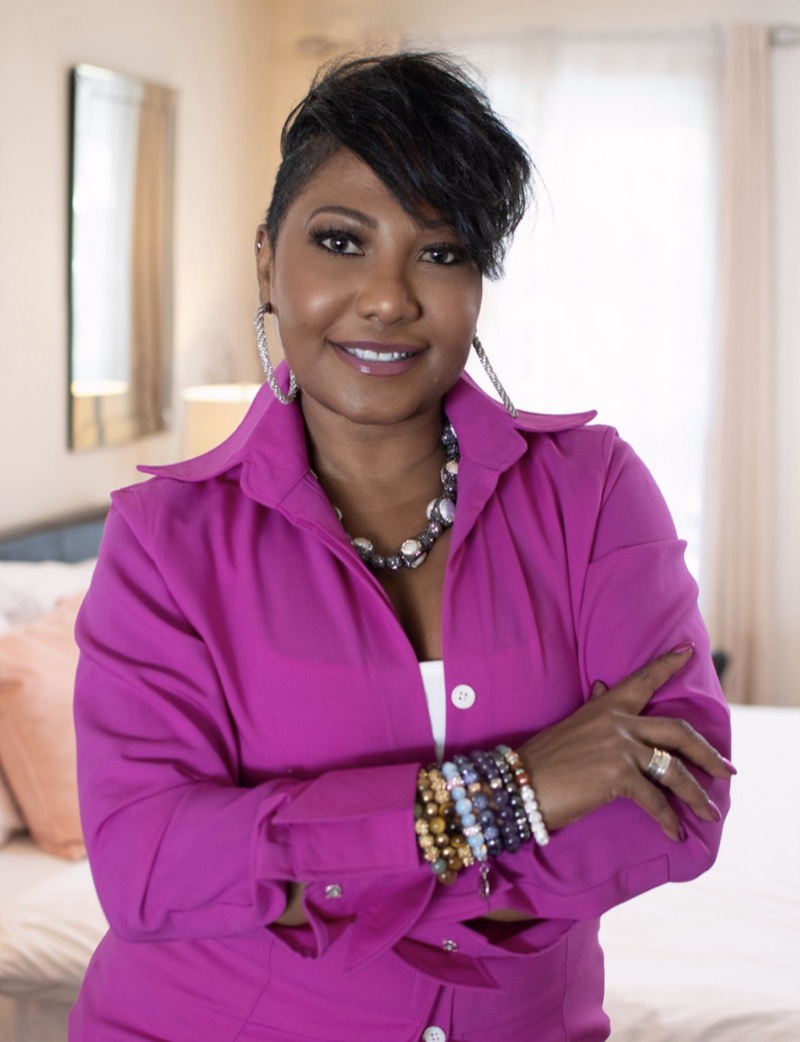
Our founder, Toni Tomlin, brings over 20 years of leadership and training experience to every session. We create space that meets people where they are — whether you're a wellness enthusiast or a complete skeptic who just wants to lie on the floor and see what happens.
Because here's what I've learned after hundreds of sessions: the people who walk in most skeptical are often the ones who walk out most changed. Not because sound baths are magic. But because sometimes, the thing you need most is the thing you've been least willing to try.
Book a sound healing experience →
About My Healing Suite: My Healing Suite by Faith2Felicity is a veteran-owned and woman-owned wellness destination in National Harbor, Maryland. Founded by Toni Tomlin, we offer experiential wellness services including sound healing, aura photography, crystal bracelet-making workshops, guided meditation, and corporate wellness events. Whether you're planning a team outing, a private celebration, or just need an hour to unplug, we create experiences that your body remembers long after you leave.